A Decade of Dialogue - A Decade of Impact and Transformation

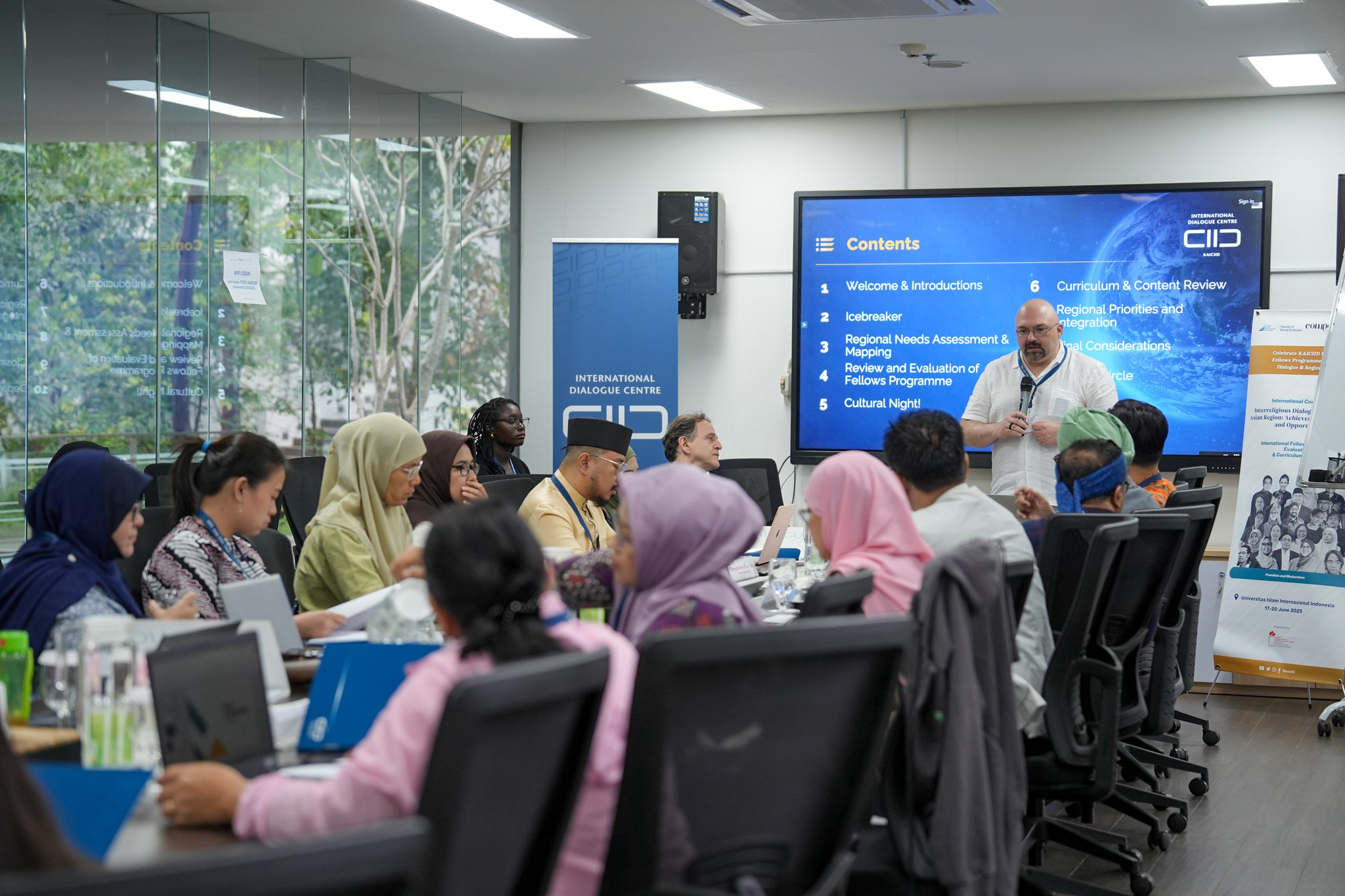
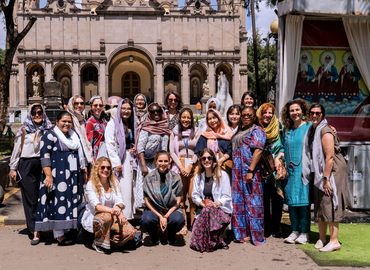
Ten years ago, the KAICIID International Fellows Programme began with a simple goal: to train and empower local leaders and educators from different religious and cultural backgrounds to use and promote dialogue in their communities, as a force for improved mutual understanding, to facilitate cooperation, and ultimately as a force for peace. Today, we celebrate a decade of transformation - of individuals, of communities, and of interreligious and intercultural perspectives.
Over the past decade, dialogue has evolved from an idea into a strategy for peacebuilding and social cohesion. Over 550 Fellows from 104 countries have launched more than 700 local initiatives over the years, impacting hundreds of thousands. Their work demonstrates a simple truth: dialogue is not a symbolic gesture. It is a practical tool for lasting change.
We have learned four essential lessons in this journey.
-
First, dialogue works best when it is locally owned. Peace is sustained by those who know their communities – teachers, religious leaders, activists, academics, youth workers – not by external actors alone.
-
Second, dialogue is preventive. It has the power to defuse grievances before conflicts erupt and to rebuild trust after crises. The most powerful examples of the Fellows’ work are not just stories of reconciliation, but of relationship building and prevention.
-
Third, dialogue is measurable. We now see dialogue reflected in policies, education systems, mediation structures, and international peace frameworks. The impact of our Fellows is not an abstraction; it leads to real community and institutional change.
-
Finally, dialogue is transformative. While the world around us prioritises transactions, confrontations, and debate, dialogue offers something discovered together. When engaged in dialogue, it is not just our understanding of each other that is transformed, but also our understanding of ourselves and of our communities.
Over the years, the Fellows Programme has grown into much more than a training programme: it has become a global network of ambassadors of dialogue across generations and borders. The Programme’s next decade must build upon this foundation by deepening partnerships, strengthening regional models, and expanding ownership of the Programme by its alumni.
The international landscape is going through one of the most critical and turbulent periods…
Hani Dawah, Deputy to the Senior Media Counsellor of the…