Hani Dawah’s decade of dialogue began with a question

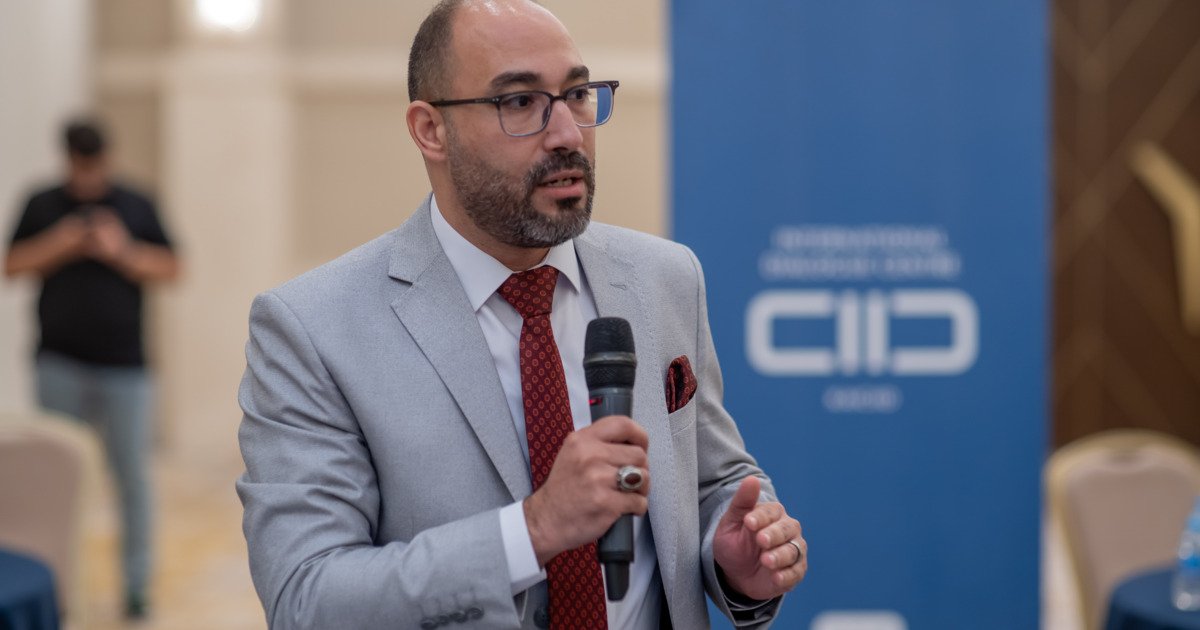
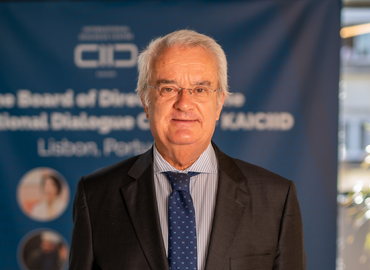
Hani Dawah, Deputy to the Senior Media Counsellor of the Grand Mufti of Egypt, was leading a training session for media students when a young participant raised his hand and asked a question that would shape his life over the next 10 years.
"Why are we afraid of people who are different from us before even knowing them?"
The question was simple. The effect it had on Dawah was not.
"It touched something deep inside me," he recalls, as if it was yesterday. "I left the room carrying that question with me, through the streets, into my work, and into moments of silence."
A decade on, that question lingers, continuing to shape the life and work of one of KAICIID's most active Fellows. A writer, researcher and religious diplomacy practitioner, Dawah’s journey through interreligious dialogue has led to books, programmes and institutional initiatives that now reach younger generations across the Arab region.
A first encounter with dialogue
Dawah's relationship with the International Dialogue Centre – KAICIID began in 2015, when he joined the Centre's programme United Against Violence in the Name of Religion. For a journalist already attentive to how language can widen or narrow the space between communities, the experience was unlike anything he had encountered before.
"It was a space where people from different backgrounds came together to explore how dialogue could become a force for peace," he recounts.
That first encounter set the trajectory. Two years later, he applied for the KAICIID International Fellows Programme and was accepted into the 2017 cohort.
The Fellowship year, he says, reshaped his understanding of what dialogue entails.
"Dialogue is not simply a skill we acquire, but a way of being that we live."
He learned to listen without preparing his response in advance, to treat disagreement as a space for understanding rather than conflict and to become more cautious in assessing others. The shift went beyond the personal level, beginning to show in his writing, in his work at Dar Al-Ifta Al-Misriyyah and in how he approached institutional dialogue across the region.
Building platforms that develop people
In 2018, Dawah had just been appointed to the Executive Committee of the Platform for Dialogue and Cooperation among Diverse Religious Leaders and Institutions in the Arab World. Launched by KAICIID in Vienna that same year, the Platform brought together influential religious institutions and leaders to advance dialogue, coexistence, social cohesion and shared citizenship across the Arab region.
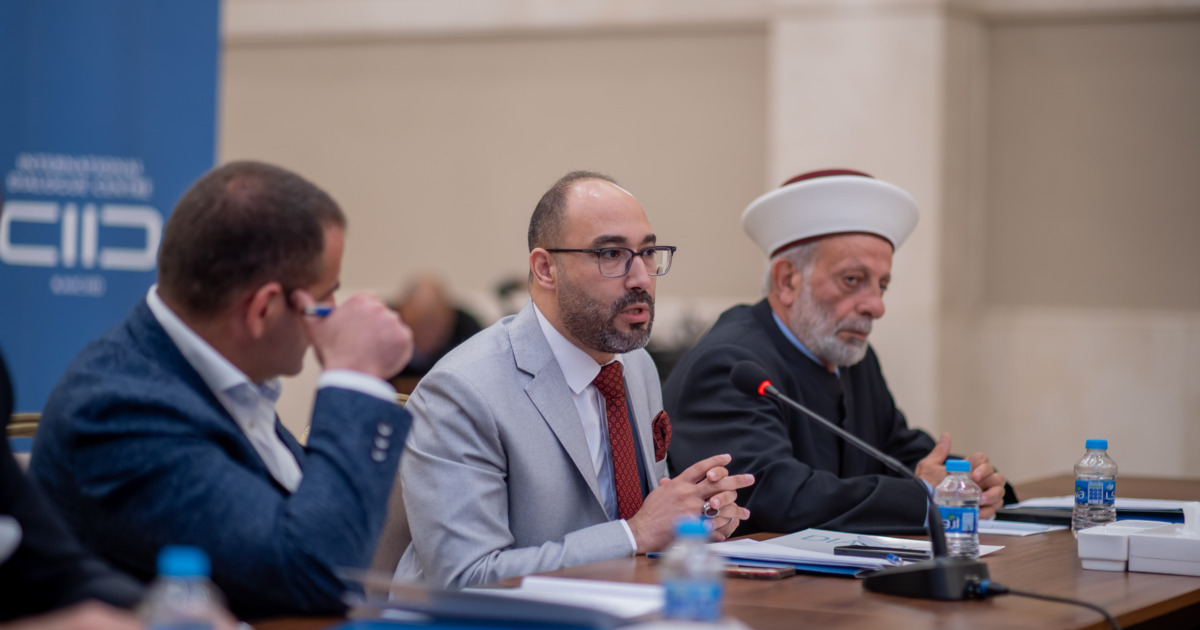
It was within this space, and through the work of a media committee formed during the Platform’s sessions, that the idea of a dedicated journalism fellowship began to take shape. Dawah was among those who contributed to the discussions, bringing his experience as a journalist and media practitioner to conversations on how the media could help expand understanding rather than deepen division.
The committee recognised that media professionals can either widen or narrow the space for dialogue, depending on how they report, frame and interpret issues of religion, identity and conflict. Out of these discussions, KAICIID supported the development of a programme to equip journalists with the tools of dialogue, and the Dialogue Journalism Fellowship programme was born.
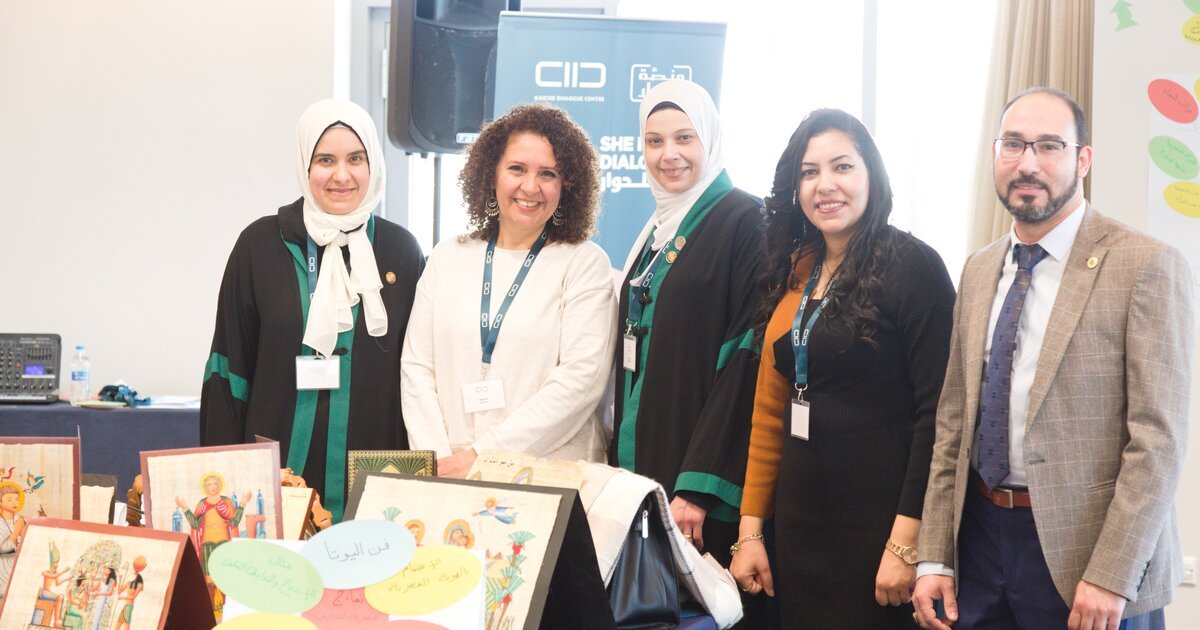
Three editions later, close to 80 journalists and media professionals from more than 13 Arab countries have graduated from the programme. Many have since launched their own initiatives in their communities, becoming voices against hate speech and advocates for a culture of dialogue.
"They have proven that media can be a force for peace when equipped with the right tools," Dawah says.
Writing the conversation forward
Alongside his programmatic work, Dawah has built a substantial legacy of writing on dialogue and religious pluralism. His book Managing Religious Diversity in the Arab Region: Models and Experiences was the first publication issued by KAICIID. It was followed by Hate Speech and the Challenges of Dialogue, Corona, Religion and Life, Women's Voices for Peace and, most recently, Strategies for Countering Hate Speech, considered among the first works of its kind in the Arab world.
He is now preparing a new publication on religious diplomacy and emerging Arab pathways, drawing on case studies from Egypt and Morocco.
Today, in addition to his role on the Platform's Executive Committee, Dawah serves as Deputy to the Senior Media Counsellor of the Grand Mufti of Egypt and as Managing Editor of Jusoor and Daam magazines, published by the General Secretariat for Fatwa Authorities Worldwide. He is also a founding member of the Arab Youth Forum for Dialogue.
The stories that have not been written
As KAICIID continues to celebrate more than a decade of the International Fellows Programme, Dawah is thinking about where the work must go next. Two areas, he believes, demand urgent attention: children and algorithms.
"A child who learns to respect diversity from an early age will not later require massive campaigns to correct their path."
For Dawah, educational environments that nurture diversity through stories and shared experience, rather than rigid instruction, are essential. He also warns that artificial intelligence is already shaping how people perceive one another in ways that are not always visible, making it essential that the values of dialogue enter that space before other voices fill it.
For Dawah, the most affecting moments still come in workshops, when he sees another hand raised and something shift behind a young participant's eyes: the early signs of new awareness and the loosening of fear.
"Dialogue is no longer just part of my work," he says. "It is part of my life."
The international landscape is going through one of the most critical and turbulent periods…