KAICIID launches its 2026 International Fellows Programme, expanding its global network of dialogue leaders

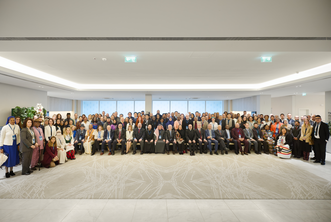
The International Dialogue Centre - KAICIID is pleased to announce the selection of 35 new Fellows for its 2026 cohort, bringing together two groups of religious leaders and educators, working with youth and young adults, as well as international organisations. They join a global alumni community of more than 550 Fellows working across around 100 countries, applying dialogue to strengthen social cohesion, peacebuilding, and inclusive policy.
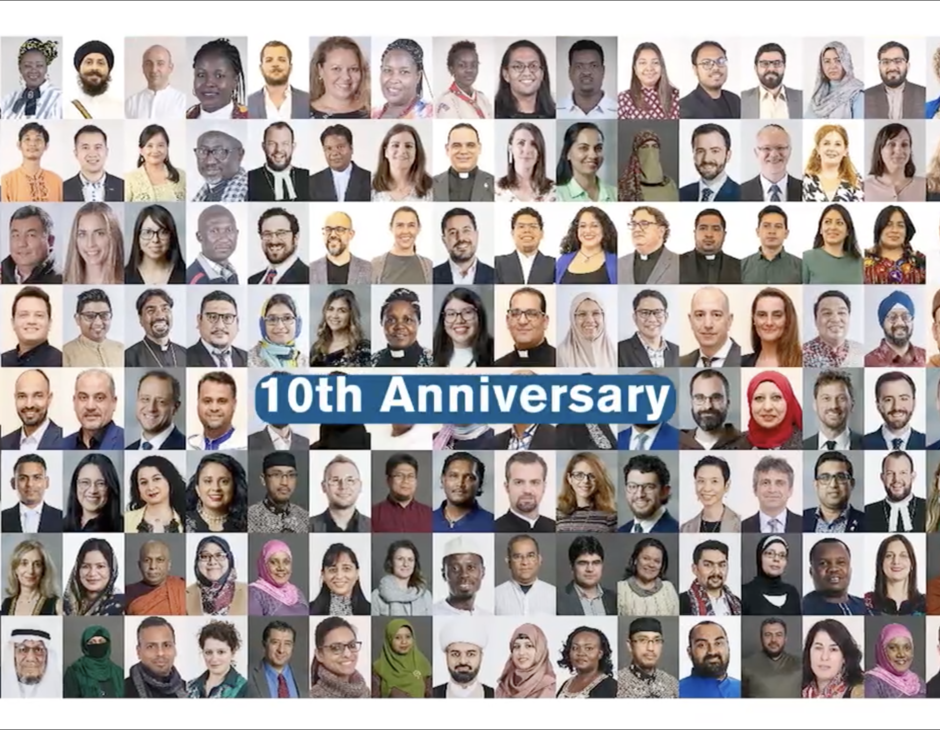
The 2026 launch builds on the momentum of the Programme’s tenth anniversary, A Decade of Dialogue, integrated in KAICIID’s wider commitment to moving from convening to delivery, supporting Fellows to translate interreligious and intercultural dialogue into results in their institutions and communities. Read the tenth-anniversary feature.
Who are the 2026 Fellows?
Selected through a competitive application process, the 2026 Fellows bring a mix of experience and emerging leadership. With an average age of 36, they include executives and directors, policy and programme leads, professors and researchers, educators and civil society leaders who are already positioned to embed dialogue approaches in decision-making spaces and learning environments.
This year's edition represents nearly 30 countries across six regions, including several countries debuting in the Programme. Asia-Pacific is the most represented region, followed by the Arab region and Africa, then Europe and the Americas. Around one in five Fellows currently lives outside their country of origin, reflecting the Programme’s global reach.
Diversity designed for practice
Religious and cultural diversity is a defining feature of the 2026 year. Fellows represent nine religious identities, including Baha’i, Buddhist, Christian, Confucian, Hindu, Muslim, Jewish, Unitarian, and non-religious, spanning 24 denominations and movements. Within each tradition, there is significant internal diversity, including a wide range of Christian communions and Muslim Fellows from the Middle East, South Asia, Southeast Asia and the Horn of Africa.
About a quarter of the 2026 Fellows are already active in interreligious organisations or multi-faith initiatives. The Programme prioritises functional pluralism, meaning the ability to work credibly across differences in complex institutional and international environments.
From cohort to network
For many Fellows the most enduring value of the year is what comes after graduation: entry into the KAICIID Fellows Alumni Network. Alumni continue to engage as trainers, facilitators, partners, and convenors of dialogue, often collaborating across countries and disciplines to pilot new initiatives, strengthen policy and practice to scale what works in their respective initiatives.
Dialogue succeeds most sustainably through relationships of trust that endure. While the bonds within each cohort remain central, longer-term impact often grows through connections among Fellows within the same country, region or institutional ecosystem.
Following a recent evaluation and a global alumni survey, KAICIID is tailoring its alumni engagement approach to better respond to the needs of an expanding, multi-generational network. The 2026 Fellows will graduate into this updated vision, building on a decade of learning while strengthening pathways for collaboration and sustained impact.
Explore profiles and learn more about the people behind the 2026 cohorts on the Fellows page. Follow their initiatives and stories through KAICIID’s website and socials and stay connected as the new cohort year unfolds.
To receive Fellows updates and future stories in your inbox, visit the KAICIID Newsletter page and subscribe at the bottom of the website page.