In the Central African Republic, A Journalist Uses Dialogue to Rebuild Trust

For Michael Mounzatela, dialogue has never been abstract. In the Central African Republic, where years of conflict, displacement and mistrust have strained relations between communities, the journalist has worked with colleagues to challenge hate speech, counter rumours and support social cohesion across religious lines.
Michael speaks about dialogue not as a theory, but as a reporter who has lived through the realities of a country marked by repeated cycles of violence. He also speaks from personal experience. He grew up in a religiously blended family, with a Catholic father and a Pentecostal mother, where difference was part of daily family life. Over more than 12 years in journalism, he has seen how language can inflame tensions or help calm them.
Today, Michael serves as President of the Union of Journalists of the Central African Republic. He traces an important part of that journey back to a training workshop organised by the Platform of Religious Confessions of the Central African Republic (PCRC), his first encounter with KAICIID-supported work.
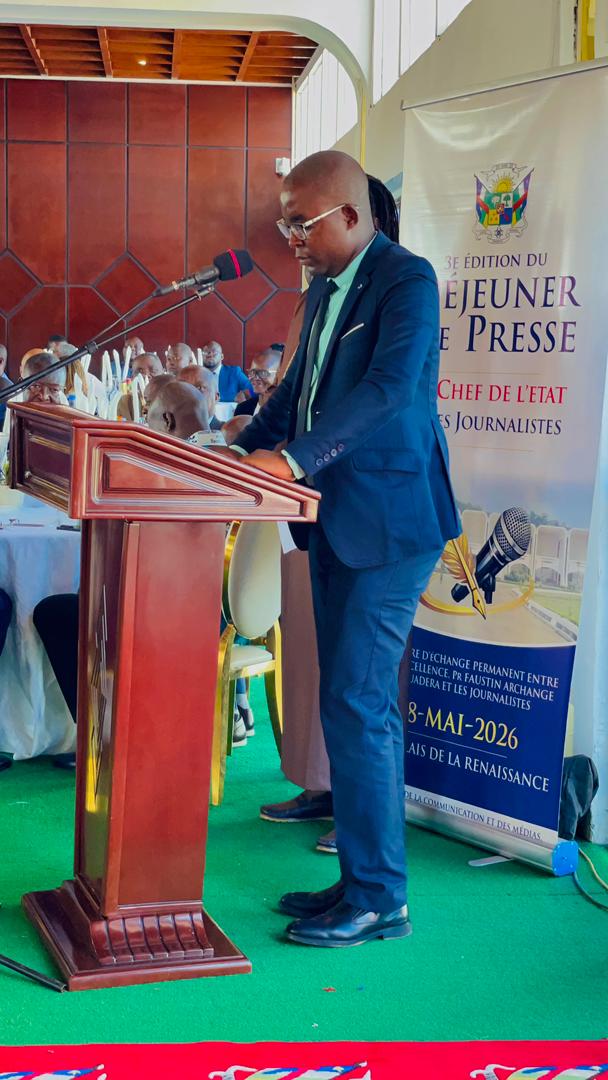
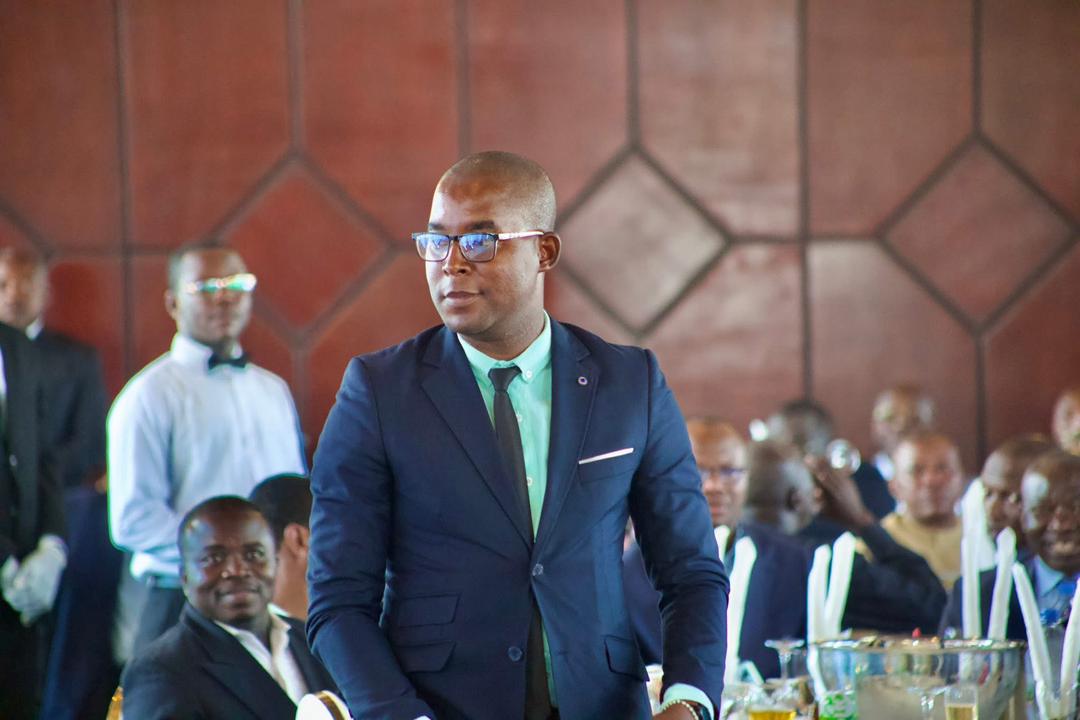
Michael Mounzatela addresses participants during a media lunch in Bangui, Central African Republic, on 8 May 2026.
“That workshop changed something,” he recalls. “At the end of it, a network of journalists was created, and my colleagues entrusted me with the role of national coordinator.”
For Michael, the connection was immediate and personal. A former Catholic seminarian, he says dialogue was part of his life long before it became part of his professional work. The training gave him a more structured understanding of how interreligious dialogue could be applied in practice, especially in the media space, where language can either deepen divides or help communities bridge them.
He later helped coordinate the Network of Journalists Sensitive to Conflict and the Prevention of Hate Messages (RJSC), part of a broader KAICIID effort in the Central African Republic to support cooperation between Muslim and Christian leaders, and to promote peace and social cohesion in conflict-affected communities.
The experience gave structure to what he had already sensed through his personal and professional life: words can deepen division, but they can also help prevent it.
Over time, his engagement grew. He participated in several other initiatives, first as a participant and later as a facilitator for KAICIID-supported activities. One turning point came in Vienna, where he attended a conference on the power of words, a theme that spoke directly to his work in a country where media narratives can affect fragile community relations.
Back home, the lessons became practical. Michael helped organise workshops on conflict-sensitive reporting, gender-based violence, rumour management and disinformation. The aim was not only to strengthen professional standards, but also to help journalists understand their role in promoting interreligious dialogue and reducing harm in fragile settings.
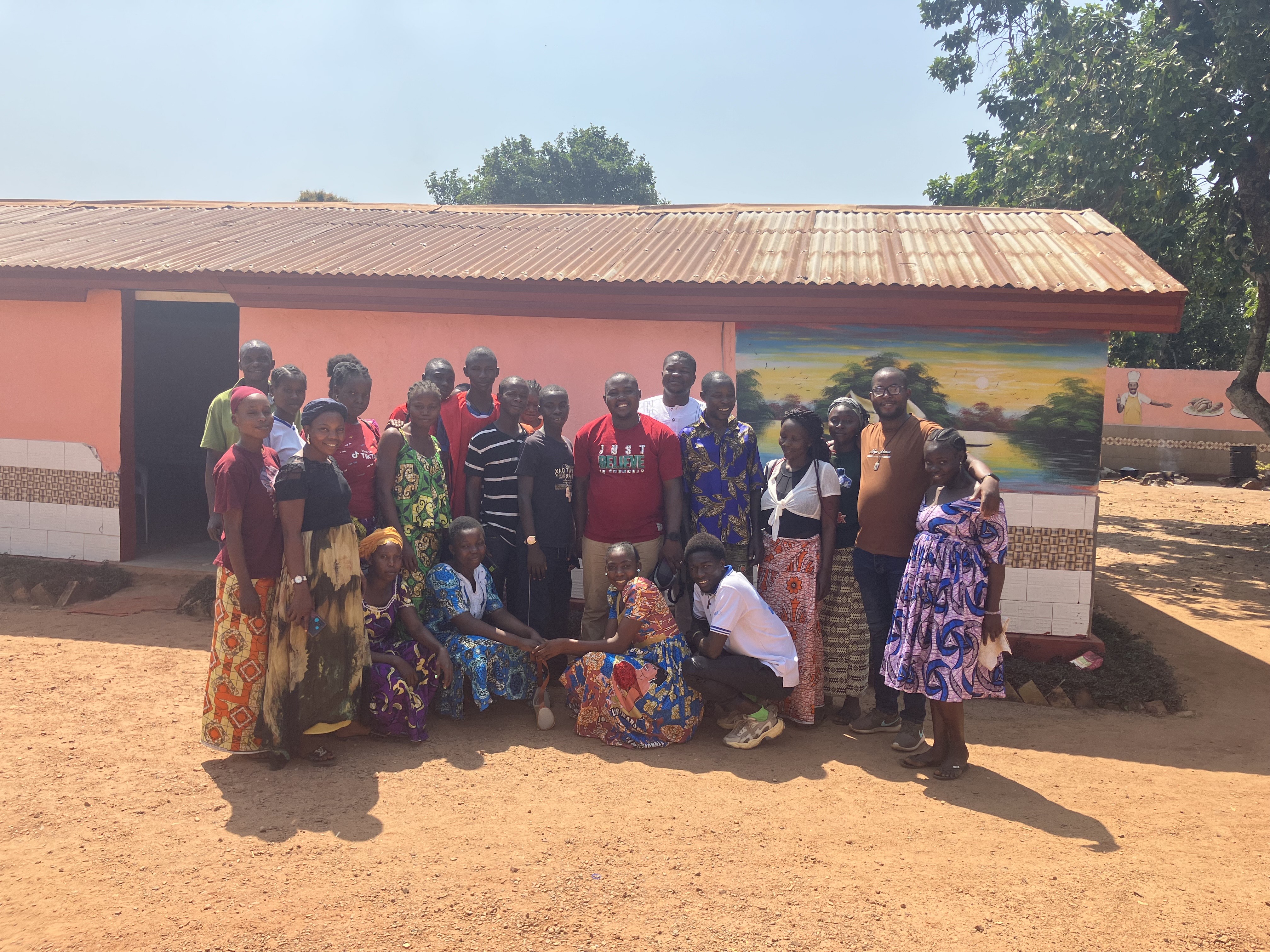
Michael Mounzatela with KAICIID local consultant Feralin Mindende-Mobaka following a community awareness-raising activity in Bouar.
He says the shift was visible first in the media space.
“The training helped my colleagues understand the need to promote interreligious dialogue and raise awareness on these issues,” he says.
The work did not stop in the newsroom. It also reached communities on the ground, including rural areas where fear, misinformation and isolation had hardened suspicion.
During a visit to Baboua, near the border with Cameroon, one moment stayed with Michael. Tensions between Fulani herders and farming communities had become deeply entrenched after attacks and reprisals. Day-to-day contact between neighbours and communities had broken down. Through a locally organised workshop, community members were brought together to hear each other’s concerns and discuss practical ways to live alongside one another.
“People who had not been greeting one another shook hands and said hello,” he says.
For Michael, that simple gesture mattered. In a place where suspicion had become routine, saying hello again was a small but real sign that tension had eased enough for people to see each other differently.
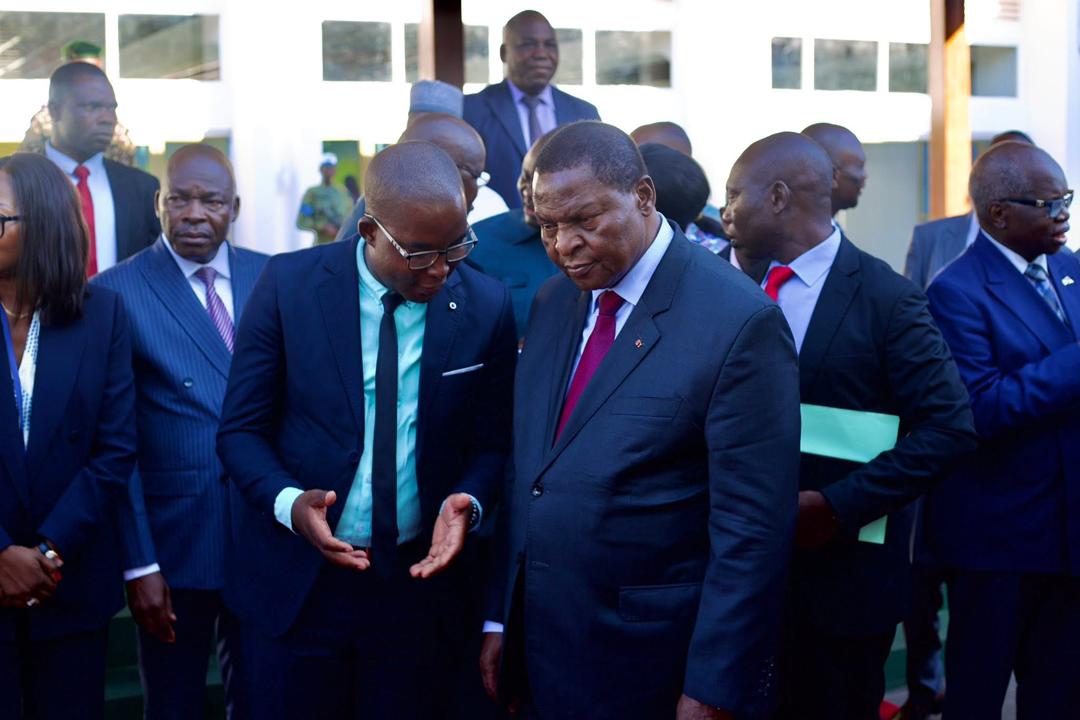
Michael Mounzatela having a chat with H.E. Professor Faustin-Archange Touadéra, President of the Central African Republic during an event.
Over time, he believes this kind of work has helped reduce hate-filled messages in radio and television content while contributing to wider peace and social cohesion efforts in his country. He also points to the creation of prefectural branches in different parts of the country to continue addressing hate speech, violence and rumours beyond one-off interventions.
On a personal level, the experience has transformed him too. He says it helped him build a wider network of journalists across religious lines and strengthened his leadership, accountability and project management skills. More importantly, it deepened his understanding of conflict-sensitive journalism and trauma-informed reporting, both essential in a context where many communities continue to live with the consequences of violence.
Still, Michael is clear about the limits of this work. In the Central African Republic, one of the biggest barriers is access, both physical and informational. Poor road infrastructure means some remote communities remain difficult to reach, even when they are among those that would benefit most from dialogue-based interventions. Michael also believes more attention must be given to trauma healing and psychosocial support, especially for people still living with the emotional effects of violence.
“These traumas are visible,” he says. “You see them in how people react, how they relate to others, in fear, aggression or withdrawal.”
Looking ahead, Michael wants collaboration to go beyond project cycles. He hopes for more opportunities for local partners to exchange experiences across countries and regions, learning from what has worked elsewhere and adapting it to their own context.
That ambition reflects KAICIID’s wider work across Africa, including in Nigeria and Mozambique, where the Centre supports dialogue spaces, local peace efforts and networks of cooperation among religious and community actors. Through its collaboration with the African Union and ECOSOCC, KAICIID also helps create regional spaces for knowledge-sharing and policy dialogue, allowing lessons from one context to inform peacebuilding in another.
In places shaped by conflict, words are never neutral. They can fuel fear, reinforce prejudice and push people further apart. But they can also calm a situation, restore contact and create the first opening for trust to return.
For Michael, journalism is not only about reporting what happened. It is also about understanding how language can either deepen wounds or help communities begin to repair them.
In Nigeria, violations of freedom…