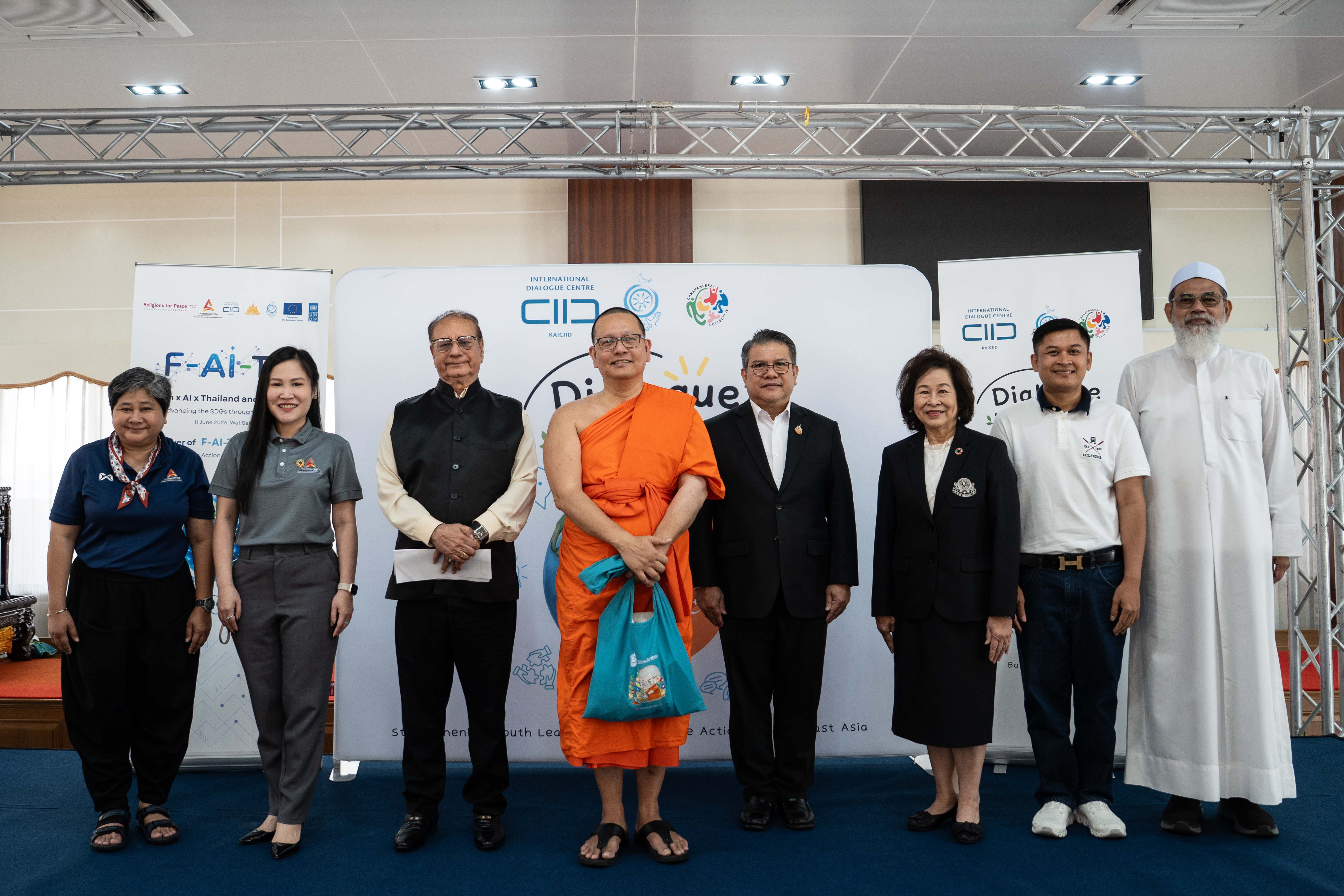
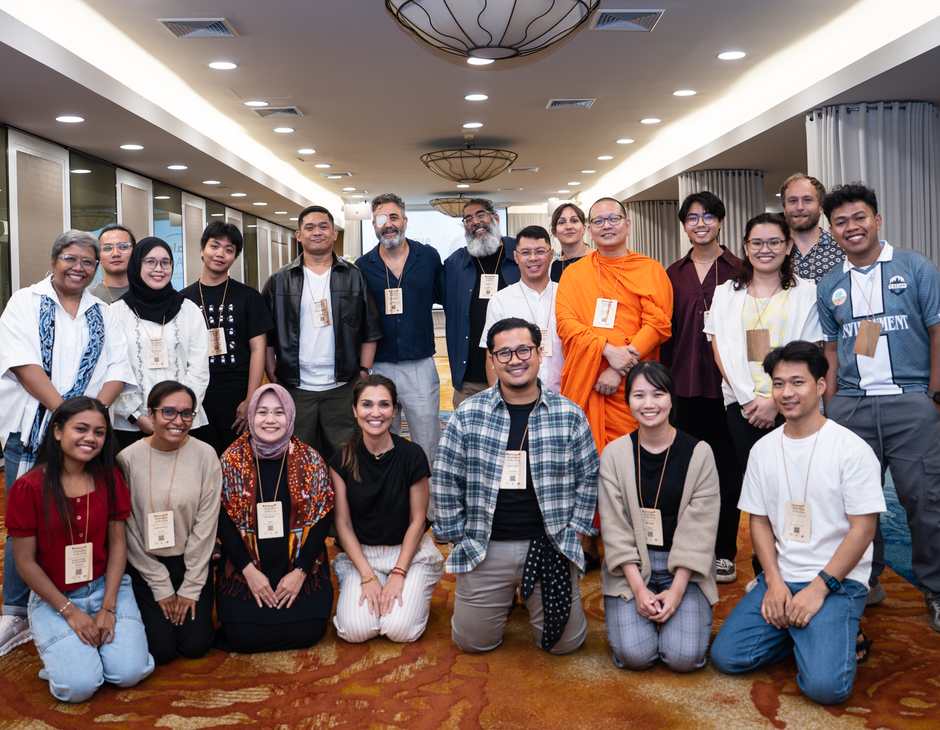
The International Dialogue Centre — KAICIID, together with the Institute of Buddhist Management for Happiness and Peace (IBHAP) Foundation and The Caravanserai Collective (CERITA CARAVAN), gathered youth leaders and environmental advocates from across Southeast Asia for a week-long learning journey from 9 – 15 June 2026.
Under the theme of “Dialogue in Action: Strengthening Youth Leadership for Climate Action in Southeast Asia”, the programme gathered 14 youth participants and 7 young mentors who previously took part in the storytelling trainer’s training in Yogyakarta in 2025. Building on the shared foundation, the training focused on strengthening youth leadership through dialogue facilitation, storytelling for the practical work of protecting the environment.
Held in Bangkok and Ayutthaya, this year’s participants used storytelling as an approach to engage in interfaith and intercultural dialogue in order to support participants in utilising moral, cultural and religious practices as an entry point to contextualise climate realities for a more robust and unified action in Southeast Asia. Between training sessions and site visits, the young attendees were encouraged to explore how the art of storytelling and dialogue can connect with communities at a deeper level and galvanise diverse approaches for collective action.
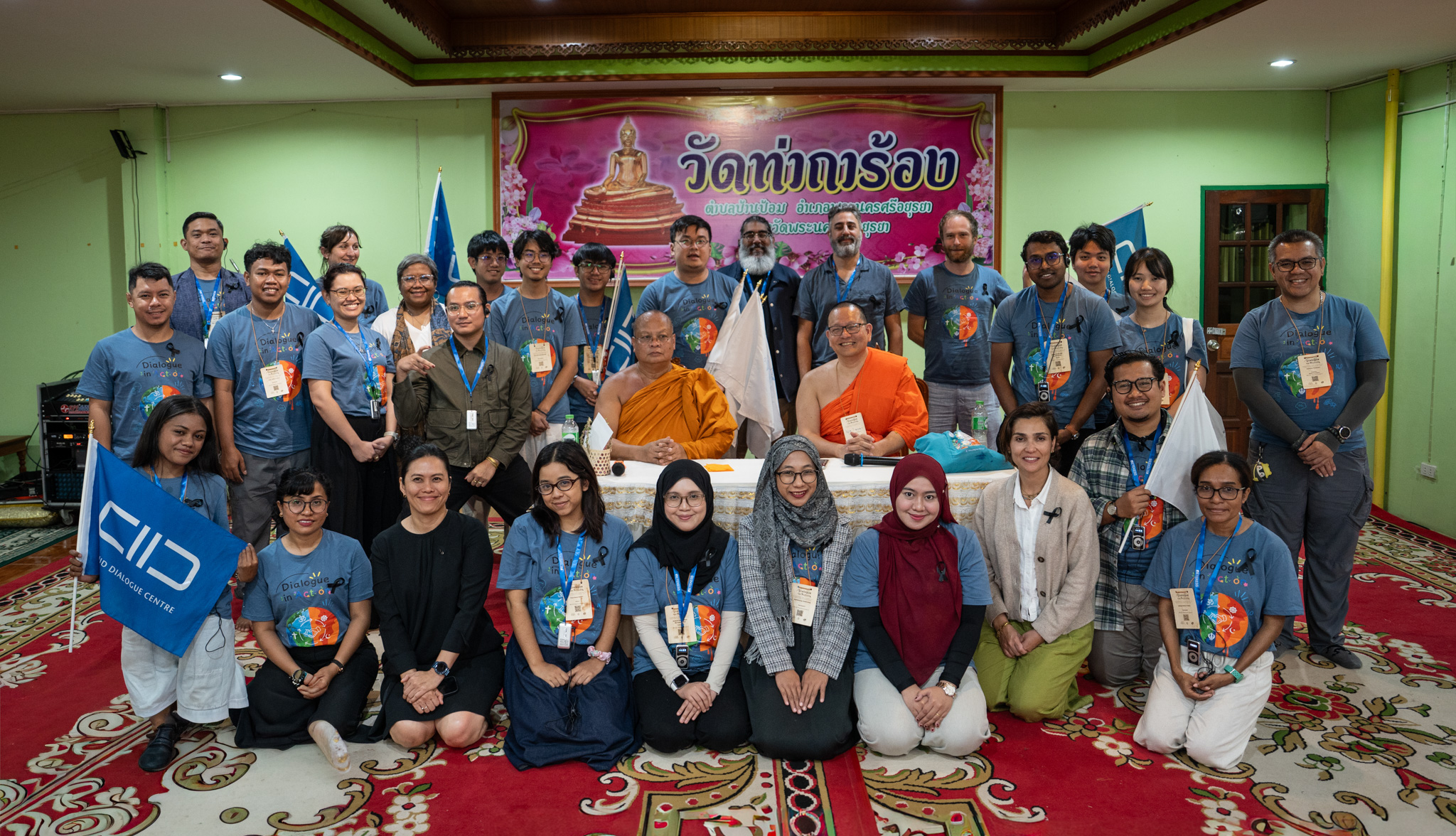
The stories that can become community action
A key real outcome of the training is the implementation of environmental initiatives to be led by the 14 youth participants in their respective communities still this year. With support from a microgrant and guidance by KAICIID, participants will design and carry out local environmental projects that respond to the current pressing climate challenges.
“The future I want to create is a future where we live in a peaceful environment, where we are grounded by the truth, and that we work hand in hand together to make a livable place for everyone,” shared Jay, a participant from The Philippines following the session that took place Ayutthaya highlighting the how interfaith dialogue can have a further impact in locally led initiatives.
Rooted in a dialogical approach, the grassroots initiatives will use the power of storytelling to identify shared values across differences and mobilise community members. From religious leaders, civil society actors and youth groups, the aim is to have a combined action where communities work for the protection of the environment, irrespective of culture, religion, age, and status.
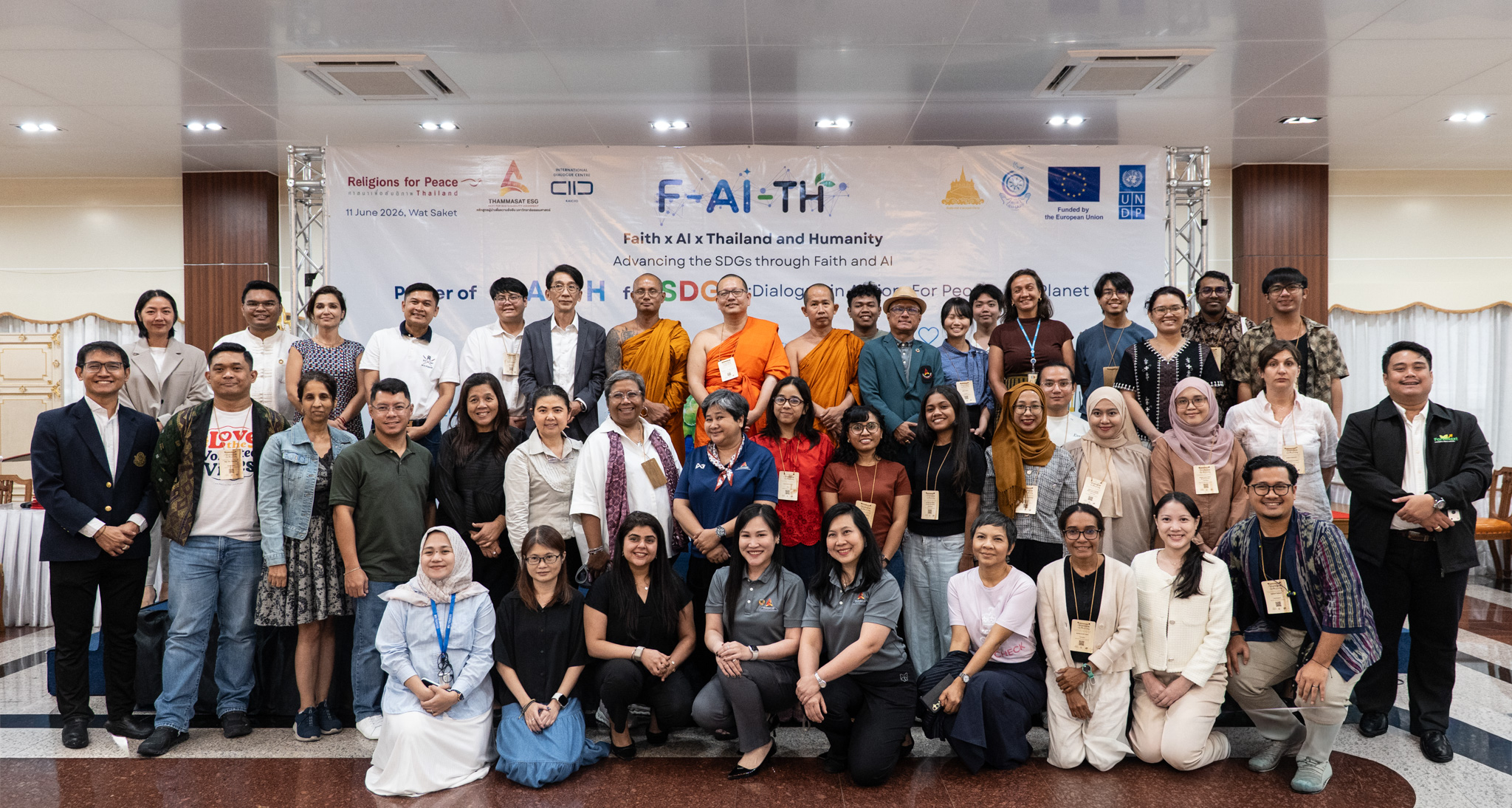
At the core of projects, young people will reach out to religious leaders and faith-based organisations, engaging in interfaith and intercultural dialogue to strengthen social cohesion and encourage community-led action. Often among most trusted voices within communities in Southeast Asia. Faith actors have a unique ability to shape public discourse, influence community decision-making and call for collective action in response to shared environmental and climate challenges. By partnering with them, young people can expand the reach of climate and environmental initiatives, foster intergenerational collaboration, and ensure that local responses are grounded in community values, lived experiences, and shared responsibility for environmental stewardship.
"Religious leaders have always shaped communities through stories. They know how to turn ancient wisdom into action. When young people become part of those stories, not just as listeners, but as storytellers themselves, they become part of a shared narrative that goes beyond generations, helping build trust and inspires collective action for our common future," said Mitra Modaressi, KAICIID Asia Programme Senior Manager.
For her part, Rahima “Ima” Abdulrahim, Co-founder and CEO of The Caravanserai Collective, emphasised the importance of empowering more storytellers to recognise the value of their own experiences, to create real stories and voices that drive social and environmental change.
“What we are doing is to facilitate and make them realise that their stories matter. As we always say, storytelling is nothing without storytellers,” she said.
Strengthening Trust, Collaboration, and Climate Resilience
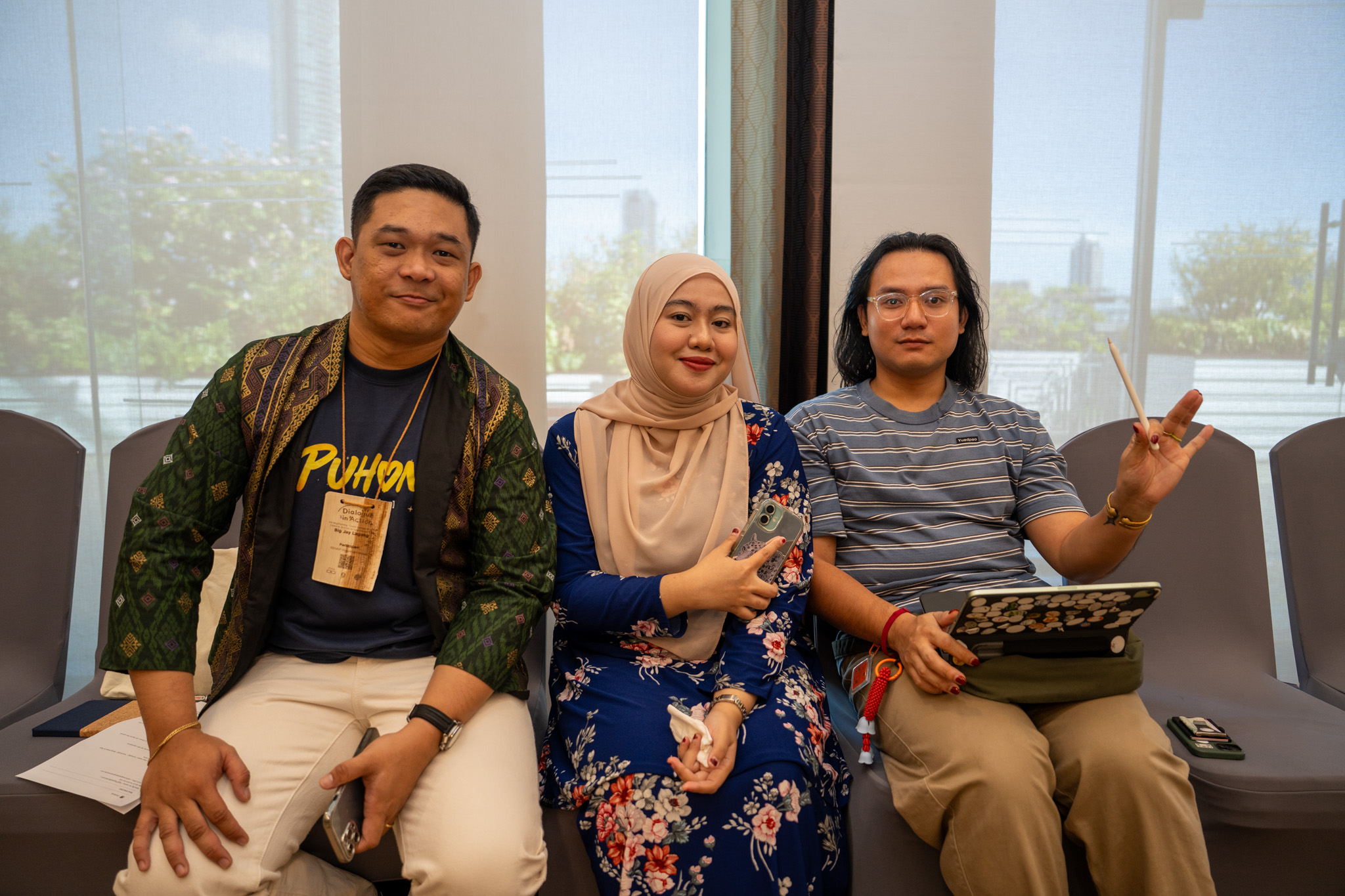
“I am really enjoying the community that’s being built. I feel like these are the sort of people that I’ll be working with for a very long time after this [training]. For me, I’ve realised that while working at the grassroots levels, stories are what get me up in the morning to keep doing the work,” shared Guy Boonyarakyotin, a participant from Thailand.
This programme demonstrates how interreligious and intercultural dialogue can become a real collective action on the ground. By bringing together young people, faith leaders and local communities across diverse cultures and religions, it builds trust, strengthens relationships, and creates the conditions for people to work together in addressing shared societal challenges. Through locally led initiatives, dialogue can be transformed into meaningful and lasting action.
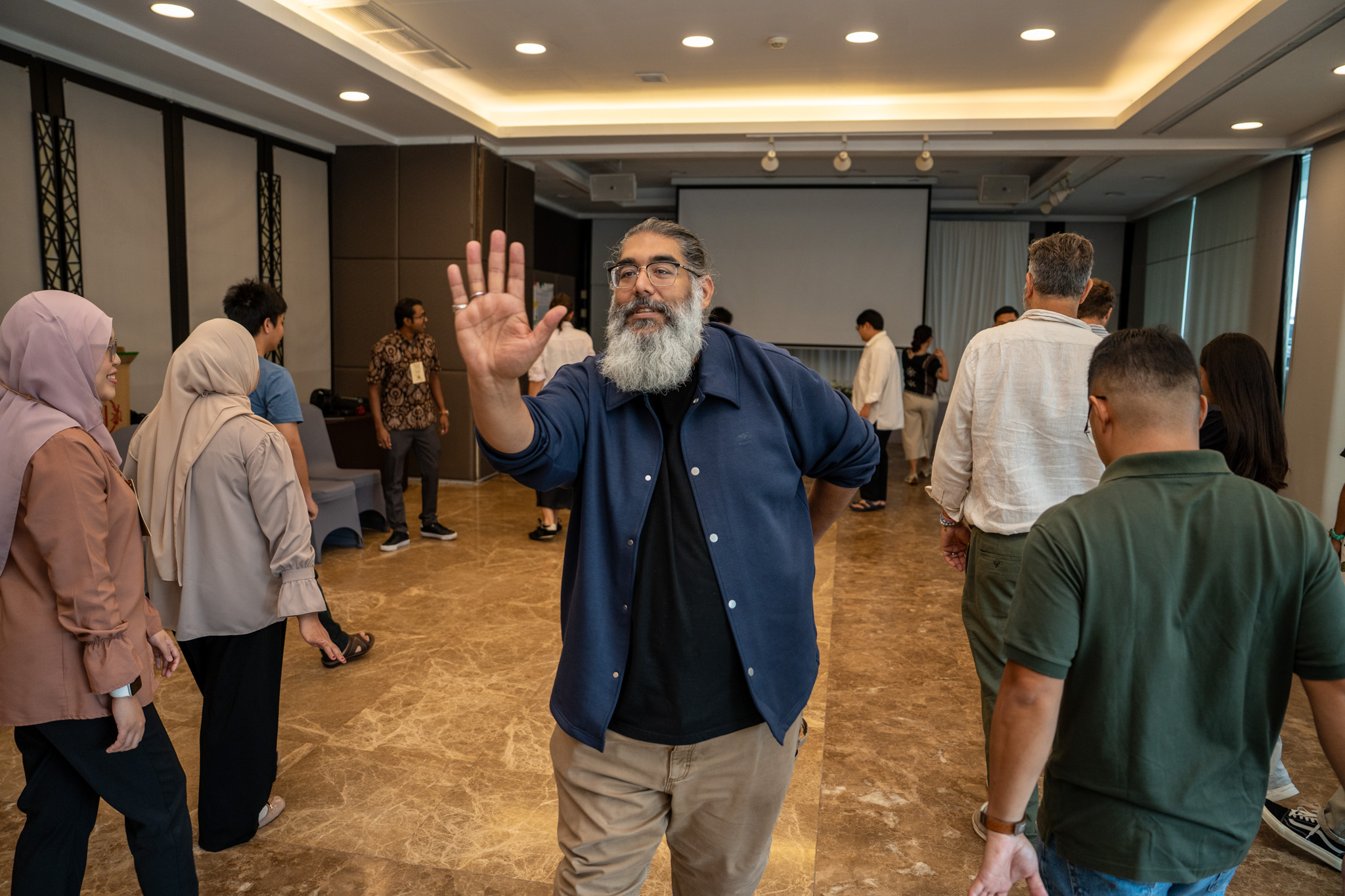
“When our youth leaders learn about storytelling and learn about the story of self, and the story of us, and we are going to provide the new story that inspired all of us to work for Mother Earth, that is the most exciting one for me. Save the planet together. We have no Planet B,” shared Venerable Napan Thawornbanjob, IBHAP Foundation Founding Chair.
Part of KAICIID’s Broader Work Across Asia
The Dialogue in Action integrates KAICIID’s broader work across Asia, which promotes interreligious and interfaith dialogue as practical and sustainable approaches for engaging young people, religious leaders and faith-based communities in addressing shared regional challenges.