Leading scholars of religious manuscripts gathered in Lisbon to examine how centuries of translation, copying and exchange across faith traditions can serve as a practical resource for dialogue and peacebuilding today.
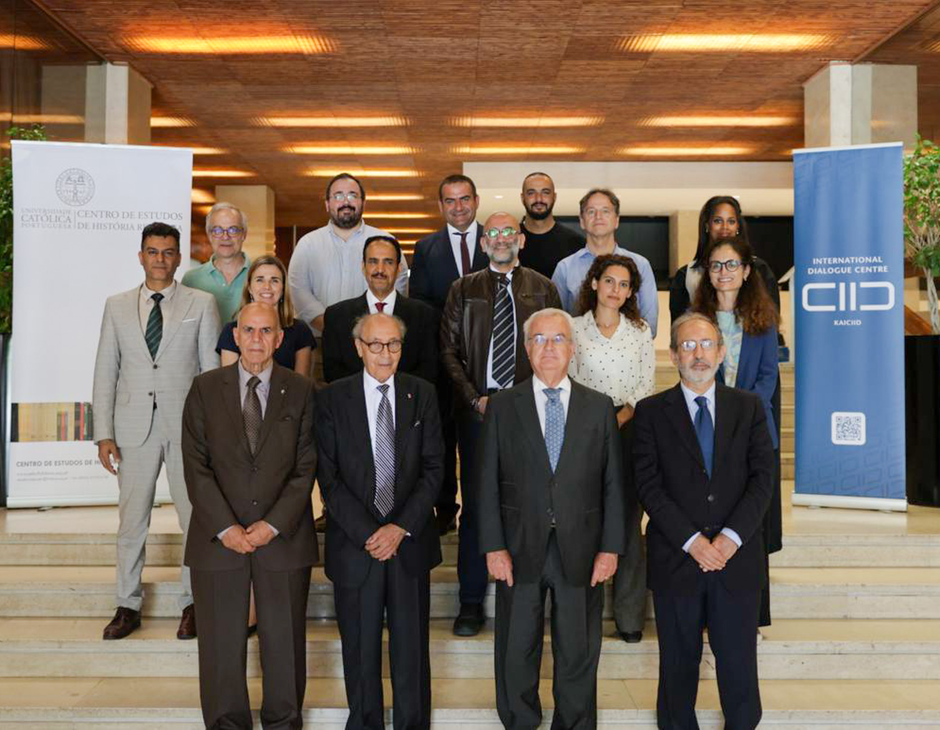
Manuscripts are among the oldest records of human encounter, and KAICIID argues, among the most useful. On 26 June, the International Dialogue Centre - KAICIID brought together leading international experts for a high-level roundtable on the role of religious manuscripts in strengthening peaceful coexistence.
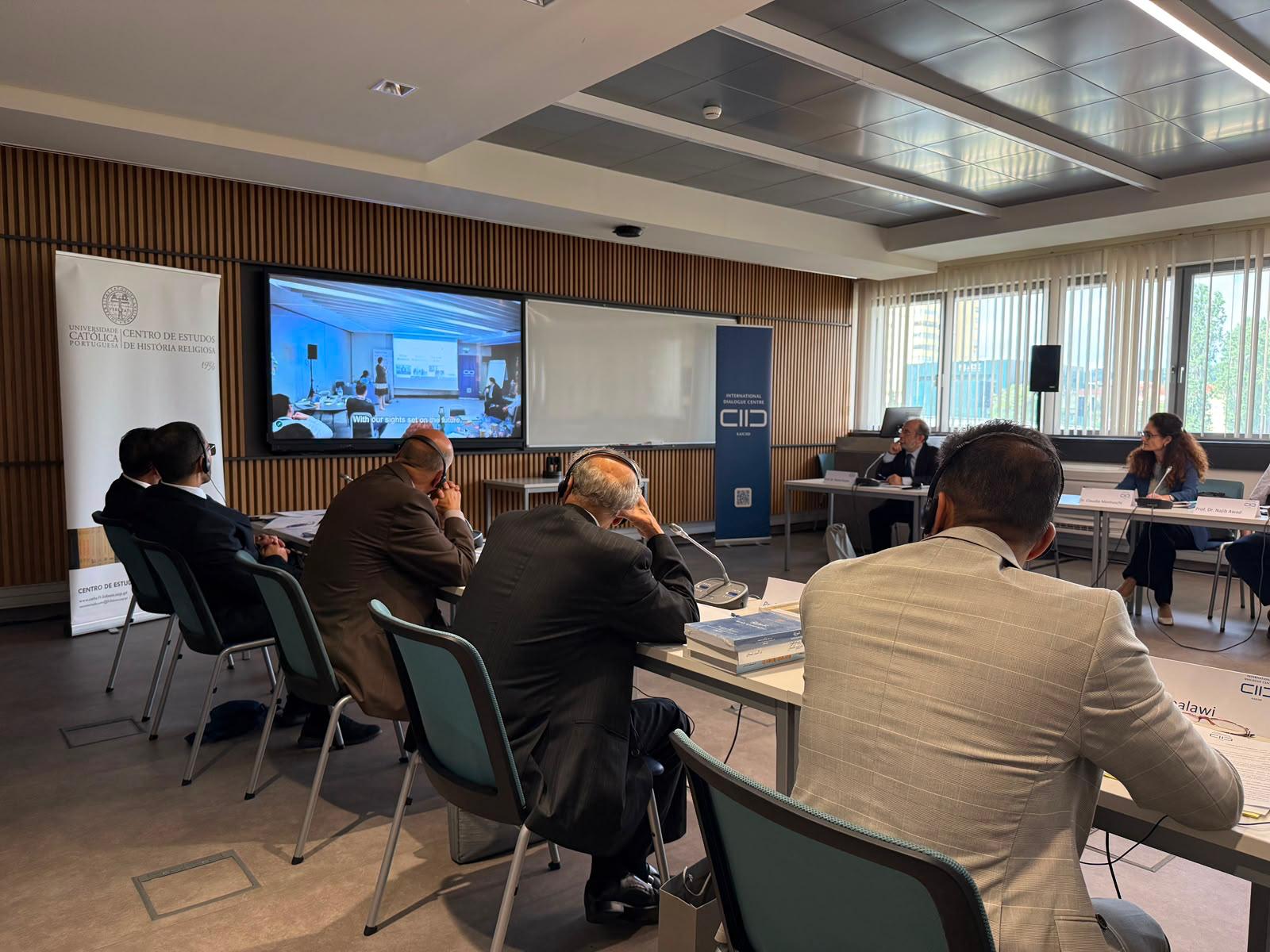
The roundtable, From Manuscript to Dialogue: The Role of Cultural Heritage in Promoting Peaceful Coexistence, was hosted at the Centre of Religious History Studies (CEHR) at the Universidade Católica Portuguesa, organised through its Faculty of Theology and its research centres, the CEHR and the Centre for Research in Theology and Religious Studies (CITER). It gathered specialists in religious manuscripts, history, cultural heritage, theology, philology and interreligious dialogue, whose work spans the Islamic, Christian and Jewish textual traditions and the regions where those traditions met, translated one another’s works and shaped a shared intellectual life.
Opening the meeting, Ambassador António de Almeida Ribeiro, Acting Secretary-General of KAICIID, underlined the relevance of manuscripts at a moment when many societies face division, mistrust and simplified narratives of identity.
“In a world where digital communication often accelerates misunderstanding as much as connection, manuscripts invite us to slow down, to read carefully, and to engage deeply with the layers of meaning embedded in human expression.”
Ambassador António de Almeida Ribeiro, Acting Secretary-General, KAICIID
Throughout the day, speakers approached manuscripts not only as historical objects but as records of shared human memory. Manuscript traditions, they noted, reveal centuries of intellectual, artistic and religious exchange, evidence that cultures and faith communities have long developed through contact with one another, from sacred texts and marginal notes to calligraphy, ornamentation, translation, scientific transmission and the movement of books across borders.
Prof. Luís Miguel Rodrigues, Director of the Faculty of Theology at Universidade Católica Portuguesa, highlighted the value of bringing together academic research, cultural heritage and dialogue practice in a setting dedicated to the study of religion and theology.
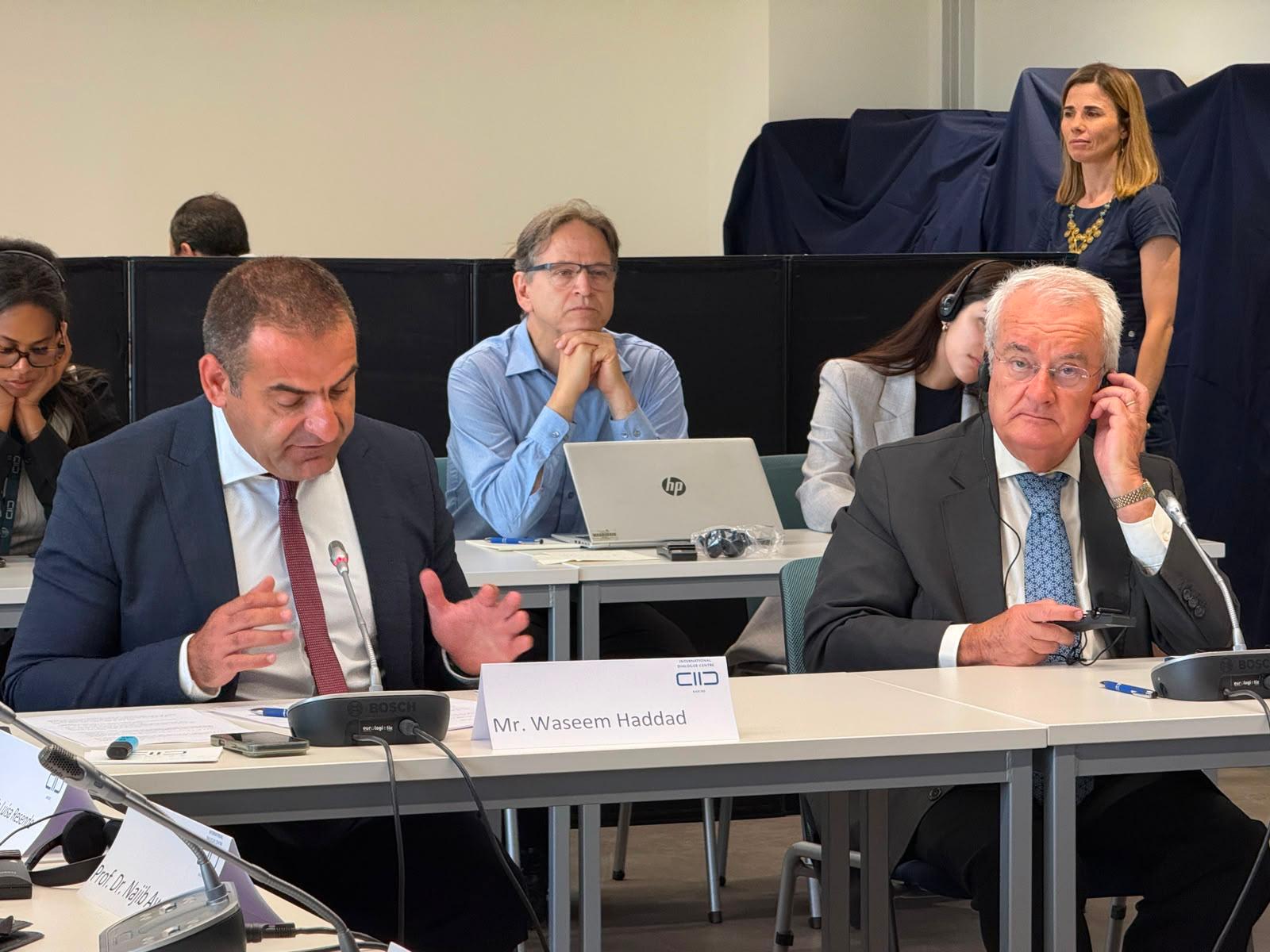
The discussion convened experts across institutions and traditions, including Prof. Najib George Awad, Associate Researcher at the Institute for Eastern Christian Studies at Radboud University Nijmegen; Dr Claudia Montuschi, Director of the Manuscript Department at the Vatican Apostolic Library; Prof. Ahmed Chahlane, Professor Emeritus of Arabic and Judaic Philology at Mohammed V University in Rabat; Dr Idham Mohammed Hanash, Director of the Centre for Calligraphy and Manuscripts at ICESCO; and Dr Hani Al-Balawi, Expert at ICESCO’s Centre for Civilizational Dialogue, alongside scholars from Universidade Católica Portuguesa, including Prof. Paulo Fontes, Dr Nuno Estevão and Prof. Maria Luísa Resende.
The roundtable explored four central themes: manuscripts as a memory of coexistence; cross-cultural manuscripts and the transmission of texts between East and West; sacred texts and scientific manuscripts as a basis for constructive dialogue around shared values; and the aesthetics of calligraphy, ornamentation and materials as a non-confrontational space for cultural encounter.
Prof. Najib George Awad, who moderated the afternoon dialogue session, emphasised reading manuscript traditions as evidence of relationship, exchange and complexity across religious and cultural histories.
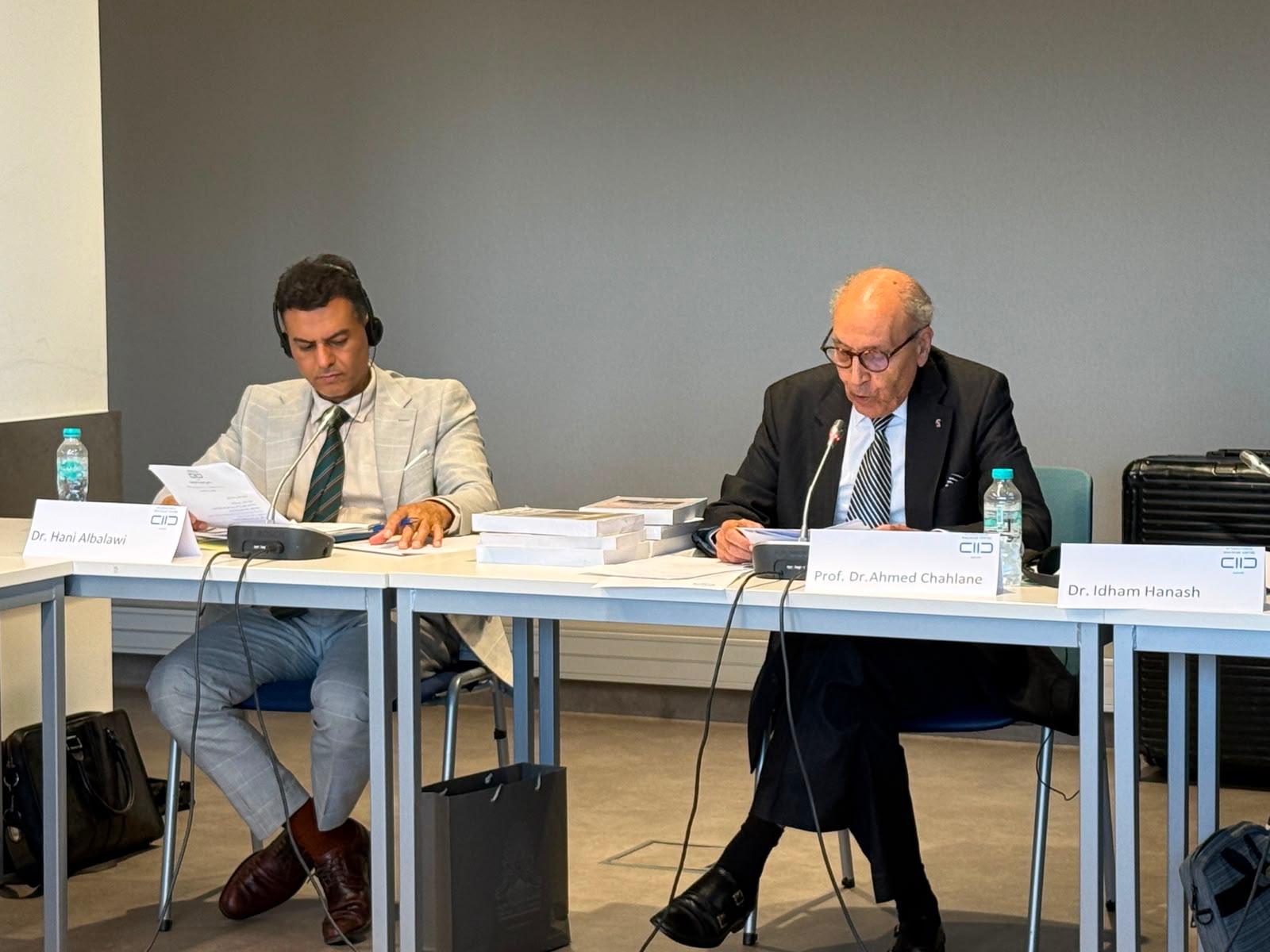
“One of the major valuable features of manuscripts is that they are vaults of lessons we can learn something meaningful from. It is my hope that, in reassessing the value of old historical texts for today’s questions of interreligious and intercultural relations, we will travel with the relation between religions and cultures from interreligious and intercultural dialogue into what I call ‘interreligious and intercultural polylogue’.”
Prof. Najib George Awad, Radboud University Nijmegen
The meeting concluded with a dialogue session on how manuscript heritage can be translated into contemporary peacebuilding and dialogue initiatives. Participants discussed opportunities to develop exhibitions, educational tools, storytelling formats, media content and cultural partnerships that make this heritage more accessible to wider audiences.
For KAICIID, the roundtable forms part of its mandate to promote interreligious and intercultural dialogue as a foundation for social cohesion and peaceful coexistence. By convening some of the most respected voices in the study of religious manuscripts, the Centre highlighted the potential of cultural heritage to move communities beyond inherited narratives of separation and towards a more nuanced understanding of shared histories. The recommendations emerging from the roundtable will help inform KAICIID’s future work on the use of manuscripts, cultural heritage and historical memory as resources for dialogue, education and peacebuilding.